Understanding the gut-brain connection
Have you ever felt “butterflies” in your stomach before a big event? Or lost your appetite when you were stressed? That feeling is not random. It is part of your gut-brain connection.
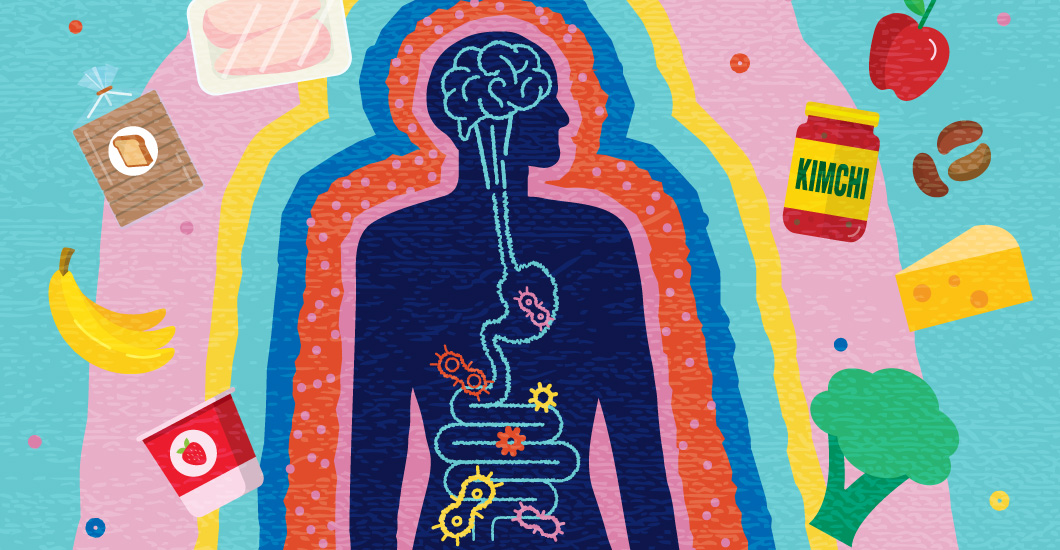
The gut-brain connection is the direct link between your digestive system and your brain. These two systems are always communicating. What happens in your gut can affect how you think, feel, and respond to stress.
Your daily food choices do more than fuel your body. They can influence your mood, focus, sleep, and emotional balance.
The good news is that small changes in your diet can help support both gut health and mental health.
What is the gut-brain connection?
The gut-brain connection is a two-way communication system. Your brain sends signals to your gut, and your gut sends signals back to your brain.
This communication happens through:
- Nerves
- Hormones
- Chemical messengers
One key pathway is the vagus nerve. It acts like a communication highway between the brain and digestive system.
When your gut is balanced and healthy, these signals help support:
- Stable mood
- Better focus
- Healthy stress response
- Steady energy
When the gut is not balanced, you may notice:
- Mood changes
- Fatigue
- Brain fog
- Digestive discomfort
This is why doctors and healthcare providers are paying more attention to the gut-brain connection in overall care.
Your gut microbiome: why it matters
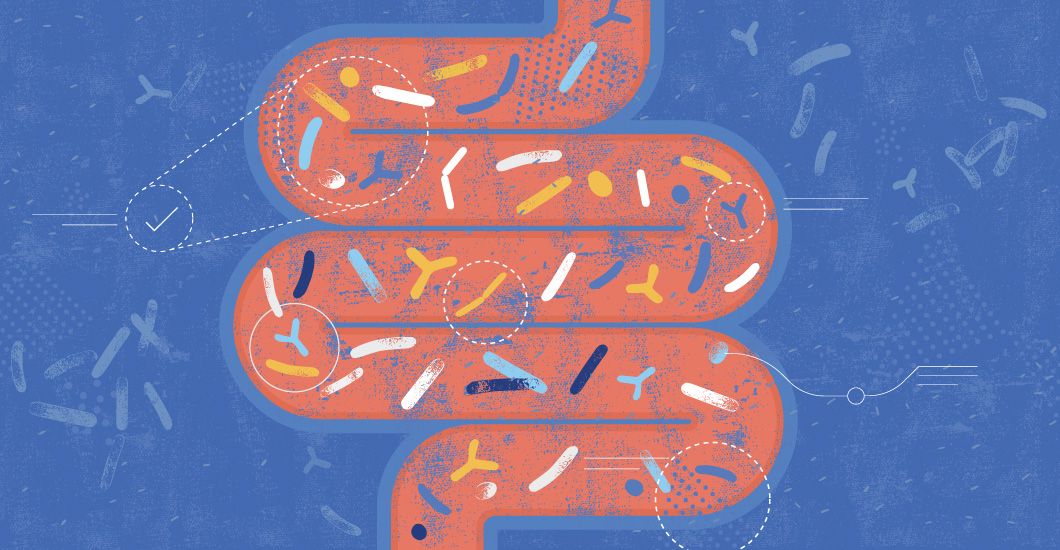
Inside your digestive system live trillions of microorganisms. Together, they are called the gut microbiome.
These bacteria are not harmful. In fact, many are helpful. A healthy microbiome supports:
- Digestion
- Nutrient absorption
- Immune system function
- Inflammation control
- Production of important brain chemicals
When the microbiome is balanced, your body and mind function better. When it becomes unbalanced, it may contribute to inflammation and mood changes.
Maintaining a diverse and healthy gut microbiome is one of the best ways to support the gut-brain connection.
Serotonin and your gut
Serotonin is often called the “feel-good” chemical. It helps regulate:
- Mood
- Sleep
- Appetite
- Memory
Many people are surprised to learn that about 90% of serotonin is produced in the gut. This means digestive health directly influences emotional health. If your gut is inflamed or unbalanced, serotonin production may be affected. Over time, this can influence mood and stress levels. While nutrition does not replace mental health treatment, it can support emotional wellness as part of a complete care plan.
Foods that support gut health and mood
The best way to strengthen the gut-brain connection is through balanced, nutrient-rich foods. Focus on whole foods that nourish your microbiome.
1. Fruits and vegetables
Fruits and vegetables are rich in fiber and antioxidants. Fiber feeds healthy gut bacteria. When bacteria digest fiber, they produce compounds that reduce inflammation and support brain health.
Aim for a variety of colors on your plate.
2. Whole grains
Whole grains provide fiber and steady energy. Unlike refined grains, they help prevent blood sugar spikes that can affect mood.
Good options:
- Oats
- Brown rice
- Quinoa
- Whole wheat bread
Stable blood sugar supports a stable mood.
3. Legumes
Beans, lentils, and chickpeas are high in fiber and plant protein. They help feed healthy gut bacteria and keep you full longer.
4. Fermented foods
Fermented foods contain live cultures that support a healthy microbiome.
Examples:
- Yogurt with live cultures
- Kefir
- Sauerkraut
- Kimchi
Adding small amounts regularly may help improve gut balance.
5. Healthy fats
Healthy fats reduce inflammation and support brain health.
Choose:
- Olive oil
- Nuts
- Seeds
- Avocados
6. Fatty fish
Fish like salmon contain omega-3 fatty acids. Omega-3s support brain function and may help regulate mood. Try including fish in your meals a few times per week.
Hydration and mental clarity
Water is often overlooked, but it plays a key role in digestion and brain function.
Proper hydration helps:
- Move food through the digestive tract
- Support nutrient absorption
- Prevent constipation
- Maintain focus
Even mild dehydration can cause fatigue and irritability. Drinking enough water supports both gut health and mental clarity.
Foods to limit for gut balance
No food is “bad.” Balance is the goal. However, eating certain foods in excess may negatively affect the gut microbiome and mood. These include:
- Added sugars: high sugar intake can disrupt healthy bacteria and lead to energy crashes.
- Highly processed foods: ultra-processed foods often contain additives and unhealthy fats that may increase inflammation.
- Excessive alcohol: too much alcohol can irritate the gut lining and disturb bacterial balance.
You do not need to eliminate these foods completely. Focus on overall patterns. Consistency matters more than perfection.
Inflammation and emotional health
Research shows that chronic inflammation may be linked to mood disorders such as anxiety and depression. An unhealthy gut may contribute to inflammation. Poor diet, low fiber intake, and high processed food consumption can weaken gut balance. On the other hand, a diet rich in fiber, healthy fats, and antioxidants helps support a healthy inflammatory response.
Strengthening the gut-brain connection through nutrition may support emotional resilience and overall wellness.
Simple steps to improve your gut-brain connection
You do not need extreme diets or drastic changes. Small, steady habits are more effective.
Start with one or two of these steps:
- Add one extra serving of vegetables daily
- Replace white bread with whole grain bread
- Add yogurt with live cultures to breakfast
- Include beans in one weekly meal
- Drink more water instead of sugary beverages
These small changes can strengthen your gut microbiome over time.
When to talk to a healthcare provider
If you experience ongoing symptoms such as:
- Persistent low mood
- Anxiety
- Chronic digestive issues
- Fatigue
- Brain fog
Nutrition supports health, but it does not replace professional medical care. A personalized plan may include dietary guidance, lifestyle changes, and mental health support.
Caring for your gut is caring for your mind
Your gut and brain are closely connected. The gut-brain connection plays a powerful role in how you feel each day. By choosing balanced, whole foods and staying hydrated, you support both digestive and emotional health.
You do not have to be perfect. Start small. Stay consistent. Over time, these habits can improve your mood, energy, and overall well-being.
At Sanitas Medical Center, we are committed to helping patients care for both body and mind. If you have questions about nutrition, digestive health, or emotional wellness, our team is here to support you.
Find a doctor
Find a location
Your health begins with simple daily choices. We are here to guide you every step of the way.