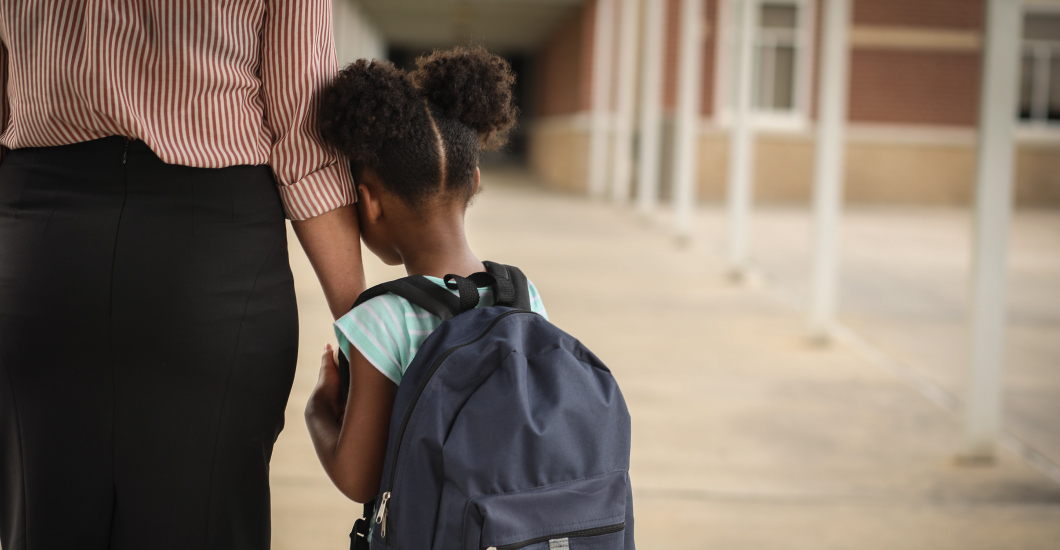
Back-to-school anxiety is one of the most common feelings families deal with every August. If your child seems clingy, quiet, or extra emotional lately, or if you're the one feeling nervous, you're not alone.
This guide explains why back-to-school anxiety happens, the signs to watch for, and simple ways to help your child, and yourself, feel more ready for the new school year.
You'll also find a quick checklist, answers to common questions, and guidance on when it's time to talk to a doctor.
Why back-to-school anxiety happens
Change is one of the biggest triggers for anxiety, in kids and adults alike. A new school year brings a lot of change all at once.
Think about everything that shifts when summer ends:
- A new teacher and new classmates
- A stricter daily schedule
- Friend groups that may have changed over the summer
- Less freedom and more structure
For younger kids, this often shows up as clinginess or a fear of being away from a parent. For older kids and teens, it can look more like irritability, silence, or staying up late to avoid thinking about the next morning.
None of this means something is wrong with your child. It simply means their brain is adjusting to a big change.
Kids, like adults, feel most comfortable with routines they already know. A new school year shakes that routine up, even when it's exciting. Most of these feelings fade once a new routine settles in.
It also helps to remember that back-to-school anxiety isn't limited to the first day. Some kids feel it building for days or even weeks beforehand, as they start thinking about what's ahead. Others feel fine at first, then experience a wave of nerves once the reality of a new routine sets in.
Both patterns are normal. There's no single "right" way for anxiety to show up, and it doesn't always follow a predictable timeline.
New school or same school? It can matter
Not all back-to-school anxiety looks the same. A child starting at a brand new school often feels different worries than one returning to a familiar building.
Starting a new school
New schools bring more unknowns all at once: new layout, new faces, and no existing friend group to lean on. Extra time spent getting familiar with the space beforehand tends to help the most here.
Returning to a familiar school
Even a familiar school can bring anxiety, especially if there's a new teacher, a changed friend group, or a harder grade level ahead. In this case, reassurance and predictable routines often matter more than exposure to the building itself.
Either way, the same core approach applies: name the worry, build familiarity where you can, and keep routines steady.
Excitement or anxiety? How to tell the difference
Not every nervous feeling is a problem. In fact, a little bit of worry before school starts is often a healthy sign.
It usually means your child cares about doing well and wants to fit in with their peers. That kind of nervous energy tends to fade quickly once school actually starts.
Back-to-school anxiety becomes more of a concern when it sticks around, grows stronger, or starts to affect daily life. The next section covers specific signs to watch for.
Signs of back-to-school anxiety in kids
Anxiety can look different depending on your child's age. Here are common signs broken down by age group.
Signs in younger children
- Clinginess or trouble separating from a parent
- Trouble falling asleep or staying asleep
- Stomachaches or headaches, especially in the morning
- Crying more easily than usual
- Asking the same worried questions over and over
Signs in older kids and teens
- Irritability or sudden mood swings
- Pulling away from friends or family
- Avoiding conversations about school
- Changes in sleep or appetite
- Spending more time alone than usual
Kids don't always have the words to explain that they feel anxious. Their bodies or behavior often speak for them instead.
When back-to-school anxiety needs more attention
Most nervousness fades within two to four weeks of starting school. But some signs are worth paying closer attention to, especially if they last longer or start affecting daily life.
Watch for:
- Losing interest in activities they used to enjoy
- Ongoing trouble sleeping or eating
- Frequent physical complaints with no clear medical cause
- Avoiding school altogether
- Withdrawing from friends for more than a few weeks
If these signs sound familiar, it's a good time to talk to your child's doctor.
Reaching out early is not an overreaction. It's a proactive step that helps your child build the tools they need to feel steady again.
Simple tips to ease back-to-school anxiety
You don't need a big plan to help your child feel more confident. A few small, consistent habits can make a real difference.
Talk about it
Ask your child one thing they're excited about and one thing they're nervous about. Naming a worry out loud often makes it feel smaller and easier to manage.
Adjust the schedule early
Don't wait until the night before school starts to change bedtime. Shift wake-up and bedtime by about 15 minutes a day, starting a week ahead. This gives your child's body time to adjust gradually.
Make the unknown familiar
If you can, visit the school before day one. Walk the halls, find the classroom, or check out the playground. Familiarity helps reduce fear of the unknown.
Practice small goodbyes
If separation is hard for your child, practice short periods apart and slowly stretch the time. Think of it like building a muscle. Confidence grows with each small success.
Share your own story
Tell your child about a time you felt nervous, like starting a new job or moving somewhere new. It helps them see that feeling scared and being brave often go together.
Keep the first week light
Try not to overload the first week with extra activities. Kids use a lot of mental energy adjusting to a new routine, so some downtime after school can help them recharge.
Create a small comfort routine
A simple, repeatable routine can offer comfort during a time of change. This might be a special handshake at drop-off, a note tucked into a lunch box, or a short calming activity before bed.
These small routines give kids something predictable to hold onto, even when everything else feels new.
Helping siblings adjust, too
If you have more than one child, keep in mind that each one may respond differently.
An older sibling who has been through this before might adjust quickly, while a younger sibling starting school for the first time may need more support. Try not to compare how your kids are handling the transition. Everyone adjusts at their own pace.
Older siblings can also play a helpful role. Something as simple as walking a younger sibling to class on the first day can ease anxiety for both of them.
Building a small support network
You don't have to manage back-to-school anxiety alone. A little extra support, from people both inside and outside your home, can make the transition easier for the whole family.
A few ways to build that support:
- Connect with other parents in your child's class for playdates or carpools
- Let grandparents or trusted family members know what your child is going through
- Ask if your workplace allows flexibility during the first week or two
- Keep in touch with your child's teacher, especially early in the year
Sometimes a child who feels nervous talking to a parent will open up more easily to another trusted adult. Having more than one person to turn to gives your child extra places to land when big feelings show up.
A few things to avoid
Just as some habits help ease anxiety, a few common reactions can make it harder for kids to feel better. Try to avoid:
- Dismissing your child's worries as silly or unimportant
- Making big promises you can't guarantee, like "nothing bad will ever happen"
- Asking too many questions about their worries, which can make anxiety feel bigger
- Comparing your child's reaction to a sibling's or classmate's
Instead, aim for calm, steady reassurance. Let your child know their feelings are valid, and that you're there to help them work through it, one step at a time.
Don't forget to take care of yourself
It's easy to focus all your energy on your child and forget that you're adjusting to a big change too. Between school forms, new schedules, and daily routines, this season is genuinely demanding for parents. Give yourself permission to feel a little frazzled. You don't need to have everything figured out to be a great parent. A calm, supported parent is one of the best things a nervous child can have.
A quick checklist for the week before school
- Start shifting sleep schedules a little earlier each day
- Visit the school if you're able to
- Talk through what the first morning will look like, step by step
- Pack a lunch together at least once beforehand
- Set out clothes and supplies the night before
- Ask your child what excites them and what worries them, and really listen
- Plan something small and fun for after the first day
None of these steps need to be perfect. Doing even two or three can make a noticeable difference.
Frequently asked questions
How long does back-to-school anxiety usually last? Most children settle in within two to four weeks. If symptoms are still strong after a month, check in with your child's doctor.
Is it okay to let my child stay home if they seem anxious? Occasional flexibility is understandable, but regularly avoiding school can make anxiety stronger over time. Talk to a pediatrician if this becomes a pattern.
Should I contact the school if I notice signs of anxiety? Yes. Teachers can offer valuable insight into how your child is doing during the day, and they can help create a plan that supports your child both at home and in the classroom.
Does back-to-school anxiety mean my child has an anxiety disorder? Not usually. Most back-to-school anxiety is a normal, temporary reaction to change. An anxiety disorder involves more persistent symptoms that affect daily life over a longer period of time. A doctor can help tell the difference if you're unsure.
What can I do the morning of the first day? Keep the morning calm and predictable. Wake up with enough time to avoid rushing, stick to a simple routine, and offer a warm, confident goodbye. Kids often take their emotional cues from the adults around them.
The takeaway
Back-to-school anxiety is a normal part of starting a new school year. With open conversation, steady routines, and the right support, most families move through it without major issues.
It helps to remember that you don't need to solve everything at once. Small, consistent steps, like talking openly, keeping routines steady, and staying patient with the process, tend to make the biggest difference over time.
If your child's anxiety is getting in the way of sleep, friendships, or daily life, our team at Sanitas is here to help. A family wellness visit is a simple, proactive way to make sure your child has the tools and support they need this school year.
Schedule a family wellness visit at Sanitas Medical Center today and give your family the support it deserves as the new school year begins.